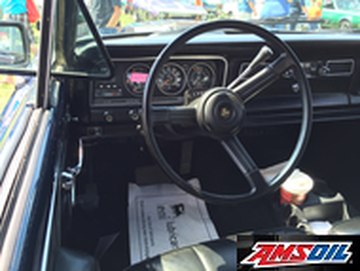
Engine Oil Maintenance for the 1983 Jeep Cherokee 4.2L
Maintaining the engine of a 1983 Jeep Cherokee equipped with the 4.2L engine requires consistent attention to lubrication standards and routine inspection. Proper oil management is one of the most effective ways to manage the long-term health of an internal combustion engine, ensuring that moving parts remain lubricated under various operating temperatures.
What oil does my 1983 Jeep CHEROKEE 4.2L take?
For this vehicle, the following 10W-30 options are listed: Signature Series 10W-30 Synthetic Motor Oil (ATMQT-EA), XL 10W-30 Synthetic Motor Oil (XLTQT-EA), and OE 10W-30 Synthetic Motor Oil (OETQT-EA).
Understanding Engine Oil Functions
Engine oil serves several critical roles within the 4.2L engine. Primarily, it provides a thin film of lubrication between metal components, such as pistons, crankshaft bearings, and camshafts, to prevent direct metal-to-metal contact. This reduction in friction is essential for minimizing wear during engine operation. Beyond lubrication, the oil also assists in thermal management by carrying heat away from high-temperature areas like the combustion chamber and piston crowns toward the oil pan and filter.
Additionally, engine oil helps to suspend and carry away microscopic contaminants, such as soot, carbon deposits, and metal shavings, transporting them to the oil filter where they can be trapped. This cleaning action is vital for preventing the buildup of sludge, which can restrict oil passages and lead to mechanical issues if not managed through regular changes.
Monitoring Oil Levels and Condition
Regularly checking the engine oil level is a fundamental maintenance task. Owners should perform this check when the vehicle is parked on level ground and the engine is cool or has been sitting for several minutes. Using the dipstick provided in the engine bay, you can verify if the fluid level falls within the designated operating range. If the level is low, adding oil is necessary to maintain proper lubrication.
In addition to checking the volume, it is important to observe the physical condition of the oil. Oil that appears excessively dark, thick, or gritty may indicate that it has reached the end of its effective service life or that there is an accumulation of contaminants within the system. Monitoring the color and consistency can provide early indicators regarding the state of engine cleanliness and the effectiveness of the current lubrication strategy.
The Importance of Oil Filter Maintenance
Every time the engine oil is changed, the oil filter should also be replaced. The filter is responsible for capturing particulates that are too small to settle out naturally. Over time, a filter can become saturated with contaminants, which reduces its ability to clean the oil effectively. In some cases, a heavily loaded filter may restrict the flow of oil through the system.
Ensuring that a fresh filter is installed during every service helps maintain the integrity of the lubrication cycle. This practice ensures that the new oil introduced into the 4.2L engine remains free of debris from previous service intervals, supporting the overall cleanliness of the internal engine components.
Identifying Potential Leaks
Oil leaks can lead to low oil levels and potential engine damage if left unaddressed. Common areas for leaks in older engines include valve cover gaskets, oil pan gaskets, and various seals around the front or rear of the engine block. Owners should periodically inspect the engine bay and the ground beneath where the vehicle is parked for signs of fresh oil spots.
Small "seeps" or dampness around gaskets are common in older vehicles, but active drips or significant puddles indicate a leak that requires attention. Maintaining a clean engine surface can make it much easier to spot new leaks as they develop, allowing for more timely repairs before the leak results in a significant loss of fluid.
Adhering to Maintenance Schedules
To ensure the continued operation of the 1983 Jeep Cherokee, it is essential to follow the manufacturer's recommended maintenance schedule. While specific intervals can vary based on various factors, the owner's manual provides the authoritative guidance for when oil changes and other inspections should occur. Following these established timelines helps prevent the degradation of oil properties and ensures that the engine receives necessary care at appropriate intervals.
BUYING ENGINE OIL
When you are ready to purchase lubrication for your vehicle, look for products that match the requirements identified for your specific application. You can choose from various formulations, such as synthetic or conventional options, depending on your preference and the specific product listings available. Always verify that any oil you select matches the required viscosity grade to ensure it performs correctly within the engine's operating temperature range.